Food Truck Vinyl Wrap vs Paint | Which Is Better | Wrap Bullys
When building or upgrading a food truck, one of the first major decisions is how the exterior will be finished. The two most common options are vinyl wrap and traditional paint. Both can create a clean, professional appearance. The difference becomes more clear when you consider branding, flexibility, durability, and long term use.
A vinyl wrap applies printed film over the truck’s exterior. Paint applies color directly to the surface and becomes permanent. Each option serves a different purpose depending on how the food truck operates and how often branding may change.
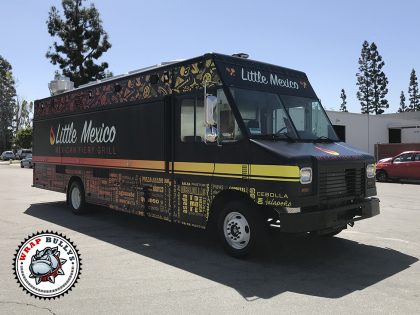
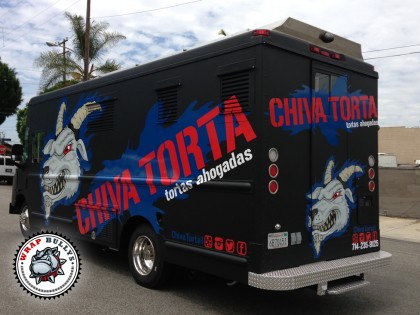
Why Vinyl Wrap Is the Most Popular Choice for Food Trucks
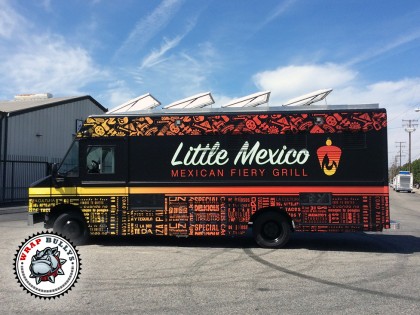
Vinyl wrap is the preferred solution for most food truck owners because it allows full branding and customization.
Wraps allow you to include:
Logos
Menu items
Food images
Brand colors
Business information
This level of detail is difficult and expensive to achieve with paint alone.
Vinyl wraps also allow updates. If your menu changes, branding evolves, or you rebrand your business, the wrap can be replaced without rebuilding the truck exterior.
This flexibility is critical in the food service industry.
Wraps also provide surface protection by helping shield the original paint from UV exposure and minor wear.
Why Some Food Truck Owners Choose Paint
Paint creates a permanent finish that becomes part of the vehicle surface.
A professional paint job works well when:
The design is simple
Only solid colors are used
No graphics or photos are required
Paint can sometimes cost less upfront when no branding or artwork is involved.
However, paint has limitations.
Changing paint later requires sanding, preparation, and repainting. This increases downtime and cost.
Complex branding with paint requires specialized artists and significantly more labor.
The Biggest Difference Appears Over Time
Food trucks operate in demanding environments.
They experience:
Heat
Grease
Cleaning chemicals
Sun exposure
Daily use
Vinyl wrap is designed to be replaceable. When branding changes or wear becomes visible, the wrap can be removed and replaced.
Paint requires repair or repainting to achieve the same refresh.
This makes wrap the more flexible long term solution.
Cost Comparison Between Vinyl Wrap and Paint
Typical Food Truck Wrap Cost:
$4,500 to $9,000+
Depends on:
Size of truck
Design complexity
Material quality
Typical Food Truck Paint Cost:
$7,000 to $15,000+
Depends on:
Prep work required
Paint quality
Labor involved
For branded food trucks, wrap usually provides more value because it includes full marketing design.
Marketing Advantage of Vinyl Wrap
A vinyl wrapped food truck acts as a moving advertisement.
It promotes your business while driving, parked, or serving customers.
This increases:
Brand visibility
Customer recognition
Business credibility
Paint alone cannot deliver the same level of visual marketing.
Which Option Is Best for Your Food Truck
Vinyl wrap is best if you want:
Full branding
Photos and graphics
Professional appearance
Future flexibility
Marketing impact
Paint is best if you want:
Simple solid color
Permanent finish
No graphics
Most modern food trucks choose vinyl wrap because branding plays a major role in business success.
Get a Professional Food Truck Wrap Quote
Wrap Bullys specializes in professional food truck vinyl wraps designed for durability, branding, and long term performance.
Request your quote:
https://wrapbullys.com/contact-us/
Frequently Asked Questions
Is vinyl wrap better than paint for food trucks
Vinyl wrap is better for branding, flexibility, and marketing. Paint provides a permanent finish but is harder to update.
Can you wrap over paint
Yes. As long as the paint is in good condition and properly prepared, vinyl wrap can be installed over it.
How long does a food truck wrap last
Most food truck wraps last between 5 and 7 years depending on installation quality and maintenance.