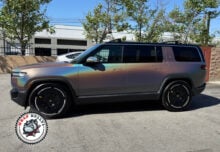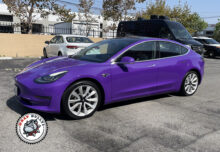
Know Vehicle Wraps | What a Vehicle Wrap Is and How It Works | Wrap Bullys
Vehicle wraps are designed to transform the appearance of a vehicle while maintaining a factory-quality finish. Many people mistake a professionally installed wrap for custom paint because the material follows the body lines and contours of the vehicle. When installed properly, the finish looks clean, consistent, and fully integrated with the vehicle.
A vehicle wrap is a high-quality vinyl film applied directly over the exterior painted surfaces. The film is installed panel by panel and shaped to match the vehicle’s curves, edges, and design. In addition to changing appearance, vehicle wraps also help protect the original paint from everyday exposure and surface wear.
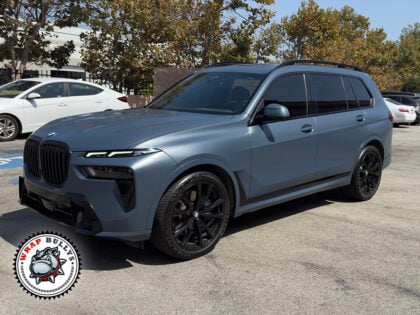
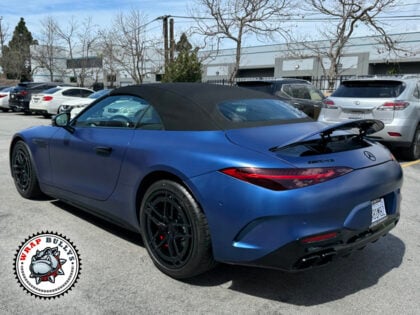
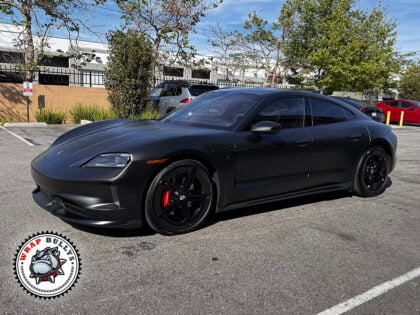
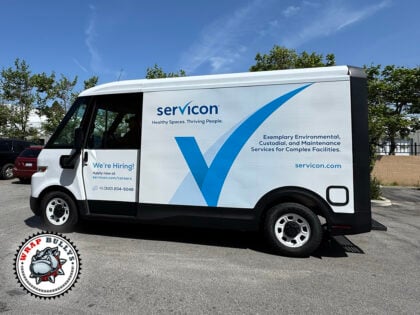
How Vehicle Wrap Installation Works
Vehicle wrap installation begins with proper preparation. The vehicle must be thoroughly cleaned and inspected to ensure the surface is ready for installation. This allows the vinyl to adhere properly and produce a consistent finish.
The vinyl is then applied using controlled heat and professional installation techniques. This allows the material to conform to complex shapes and body lines. Careful attention is given to edges, seams, and recessed areas to ensure a clean and durable result.
Vehicle wraps are available in a wide range of finishes, including:
• Gloss finishes
• Satin finishes
• Matte finishes
• Metallic finishes
• Textured finishes
• Custom printed designs
Each finish provides a different appearance and level of visual impact.
Vehicle Wrap Design and Customization Options
Vehicle wraps can include more than solid colors. Custom graphics, logos, and branding elements can be incorporated into the design.
Perforated vinyl can also be installed on rear windows, allowing visibility from inside the vehicle while maintaining a finished appearance on the exterior.
Wraps allow for full customization while maintaining a professional and balanced appearance.
Protection and Reversibility
Vehicle wraps provide a protective layer over the original paint. This helps reduce exposure to sun damage, minor abrasions, and environmental wear.
Wraps are also removable. When professionally removed, the original paint underneath remains intact. This allows vehicle owners to return to the original color or install a new wrap in the future.
This flexibility makes wraps a popular option for both personal and commercial vehicles.
Vehicle Wrap Care and Maintenance
Proper maintenance helps preserve the appearance and longevity of the wrap.
Recommended care includes:
• Hand washing the vehicle
• Avoiding harsh chemicals
• Avoiding abrasive cleaning tools
• Avoiding automatic car washes when possible
Proper care helps maintain the finish and overall condition of the wrap.
Vehicles That Can Be Wrapped
Vehicle wraps are not limited to cars. The same materials and installation methods can be applied to:
• Cars
• Trucks
• Vans
• Commercial vehicles
• Fleet vehicles
Each installation follows the same process of preparation, installation, and finishing.
Vehicle Wrap Installation — Wrap Bullys
Wrap Bullys provides professional vehicle wrap installation using high-quality materials and proven installation methods. Our process ensures proper preparation, precise installation, and a clean, professional finish.
To request a quote, call:
(213) 293-9727
or submit a request:
https://wrapbullys.com/contact-us/
Frequently Asked Questions
What is a vehicle wrap?
A vehicle wrap is a vinyl film applied over the exterior painted surfaces to change appearance and provide added protection.
Do vehicle wraps damage paint?
When installed and removed properly, vehicle wraps do not damage factory paint and can help preserve it.
How long does a vehicle wrap last?
Wrap lifespan depends on material quality, installation, and maintenance. With proper care, wraps can last for several years.