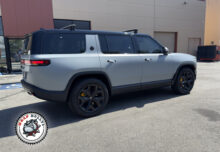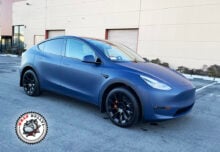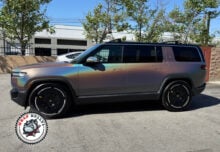
Car Wrap vs PPF vs Color PPF | Wrap Bullys
When people start looking into ways to protect or change the appearance of a vehicle, two options usually come up early. These are a car wrap and paint protection film, often referred to as PPF. More recently, a third option called color paint protection film, or Color PPF, has also become part of the conversation. At a glance, all three involve applying film to a vehicle’s surface, which can make them seem interchangeable. In practice, they are built for different purposes.
A car wrap is a vinyl film designed primarily to change how a vehicle looks. It can alter color, finish, or design without permanently affecting the paint underneath. Traditional PPF, also known as transparent PPF, is a clear urethane film created to protect paint from damage caused by road debris, impacts, and environmental exposure. Color PPF combines both functions by providing paint protection while also changing the vehicle’s color.
Understanding that distinction helps clarify why each option exists.
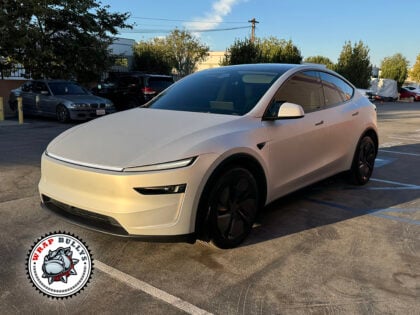
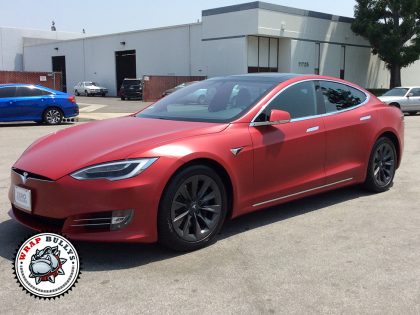
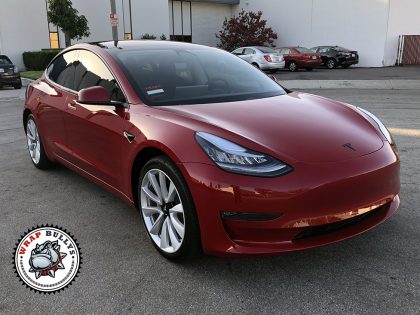
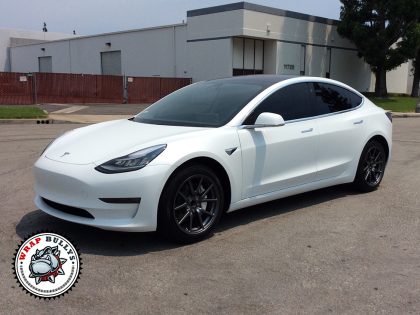
Why Car Wraps Are Chosen
Car wraps are most often chosen for visual change. Vinyl wraps come in a wide range of colors and finishes, including gloss, matte, satin, metallic, textured, and custom printed designs. That variety allows owners to step outside factory color limitations and choose something that better fits their taste or purpose.
Because vinyl is flexible, it conforms well to complex body lines and curves. Wraps also offer some level of surface protection from light wear and sun exposure, but that protection is secondary. The main appeal is flexibility and reversibility rather than impact resistance.
Why Transparent Paint Protection Film Exists
Transparent paint protection film serves a different role. It is engineered specifically to preserve the original paint finish without changing its appearance. Transparent PPF is thicker than vinyl wrap and is designed to absorb impacts from rocks, gravel, and debris that would otherwise chip or scratch paint.
Many PPF products are self healing, meaning small surface marks can diminish with heat. The goal is not to change how a vehicle looks, but to keep it looking the same for as long as possible.
Because of this focus, transparent PPF does not offer color change options.
Where Color Paint Protection Film Fits
Color paint protection film was developed to combine appearance change with protection. Unlike transparent PPF, Color PPF includes built in color while maintaining the protective thickness and durability associated with traditional paint protection film.
This allows vehicle owners to change color while also protecting the paint underneath. Color PPF typically offers more durability and longer lifespan than vinyl wrap, while still allowing customization.
This makes it a hybrid solution for owners who want both visual change and protection.
Where the Difference Becomes Clear
The difference between wrap, transparent PPF, and Color PPF becomes most apparent when expectations are set properly.
Vinyl wraps are chosen for appearance and adaptability.
Transparent PPF is chosen for protection and preservation of factory paint.
Color PPF is chosen for both protection and color change.
Cost, longevity, and maintenance expectations follow from that difference. Vinyl wraps are generally more affordable up front and easier to replace when styles change. Transparent PPF and Color PPF often cost more but provide stronger defense against physical damage.
When Both Are Used Together
Some owners choose to combine materials. Transparent PPF may be installed on high impact areas such as the front bumper, hood, or rocker panels. A vinyl wrap or Color PPF can then be applied to achieve the desired appearance.
This approach balances protection and customization, but it requires proper installation experience to ensure compatibility and durability.
Choosing What Fits Your Use
There is no single answer that applies to every vehicle. The right choice depends on how the vehicle is driven, how long it is kept, and what matters most to the owner.
Vinyl wrap focuses on appearance.
Transparent PPF focuses on protection.
Color PPF focuses on both.
Understanding what each material is designed to do helps avoid confusion. These materials are not competing solutions. They serve different purposes depending on the owner’s priorities.
Frequently Asked Questions
What is the main difference between a car wrap and transparent PPF
A car wrap is designed to change the appearance of a vehicle. Transparent PPF is designed to protect the original paint without changing its appearance.
What is Color PPF
Color PPF is paint protection film that includes color, allowing it to change vehicle appearance while protecting the paint.
Does a car wrap protect paint the same way PPF does
No. Wraps can help reduce light wear and sun exposure, but transparent PPF and Color PPF are thicker and engineered to absorb impacts.
Can a vehicle have both wrap and PPF
Yes. Some owners install transparent PPF on high impact areas and use wrap or Color PPF for customization.